Monday, 29 July 2024

Bioenzyme Application in Soil setting


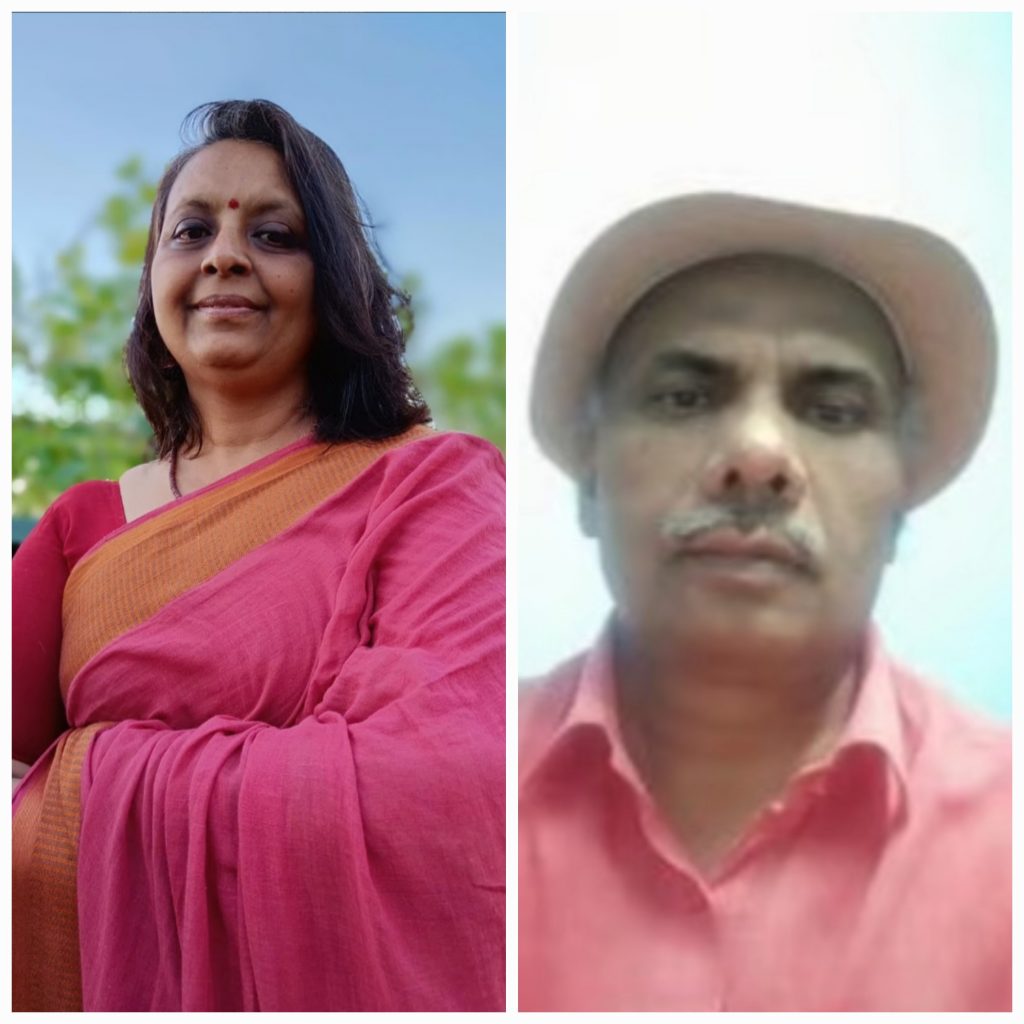
Priti Rao, Founding President of Bioenzyme Entrepreneurs Academy of India (https://www.beacademy.in/) & S.K. Singh, ex-Scientist- DRDO and CEO of Gramin Samridhi Foundation (https://graminsamridhi.in/)

Soil stabilization is defined as a chemical, physical, biological, mechanical, or combined technique that maintains or improves the stability of weak soils to achieve engineering goals. In other words, Soil stability is the capacity of a land to limit the redistribution and loss of soil resources by wind and water. Soil Stabilization is the process of improving the engineering properties of the soil before construction. Stabilization is done to improve the strength of the soil and shrink/arrest the swelling potential, thus improving the load bearing capacity and the overall performance of the in-situ soils. There are three main categories of stabilization techniques: Mechanical stabilizationPhysical stabilizationChemical stabilization.

A solid foundation is critical for any type of construction. Unfortunately, not all jobsites are created equal. Whether due to natural soil compositions and/ or conditions or a preponderance of ground water that have seeped in over the years, some areas are not fully capable of supporting structures over the long term. Although they may look stable initially, over time the varying strength and durability of soils can lead to cracks and potholes developing in roadways. 

Conventionally  Physical and mechanical types of soil stabilization include five different types of techniques namely; compaction, pre-wetting, wetting-drying cycles, reinforcement and solid wastes. Mixing bitumen into the soil will make it more cohesive — meaning soil will stick together instead of moving around like dust. Additionally, bitumen soil stabilization reduces water absorption, meaning it can make the soil water-resistant or waterproof, depending on the ratios used.

In Soil stabilization the process generally involves mixing specially developed chemical reagents into the soil and mixing them together. Many of the most commonly used additives for this technique include quick lime, fly ash and cement. The purpose of adding these reagents is to change the chemical composition of the soil. This includes removing any excess moisture that may be contained within it and improving its structural integrity. What is left behind is something that will be a better subgrade for any construction that will be performed on it, providing a better platform for pavement or a building pad.

Projects that employ chemical soil stabilization receive numerous benefits through its application. First and foremost, the procedure results in greater structural integrity for the soil underneath the project. This reduces the risks of soil shifting or sinking after construction, which can lead to foundation failures and costly repairs to roadways. It also helps ensure that work can be completed faster and more efficiently, saving time and money for contractors.

Chemicals used in the soil stabilization process are not environment friendly and it can cause health related issues right from the preparation of these chemicals to their final applications. To avoid these hazardous effects,  Bioenzyms has come as a natural choice for soil stabilization with same or better efficacy. Bioenzymes help glue soil particles together, making the soil more solid and less likely to break apart. They help pack the soil particles tightly together, which makes the ground firmer and better at carrying heavy loads like cars and trucks.

The way Bioenzymes interact with the soil makes it tougher, so it doesn’t shift or erode easily. This is especially useful in preventing landslides and keeping the ground stable. These enzymes promote the growth of helpful microbes in the soil, which break down organic material and improve the overall quality and stability of the soil.  Bioenzymes are biodegradable and do not harm the environment, unlike some chemical soil stabilizers.

Gramin Samridhi Foundation along with Bioenzym Entrepreneurs Academy of India is working to solve the  soil stabilization problems through Bioenzym as engineering intervention for some of the real-life applications.

Tuesday, 16 July 2024

Bioremediation of water reservoir through Bioenzyme


Chemical free Cleaning of water reservoir through Bioenzym 

Priti Rao, Founding President of Bioenzym Entrepreneurs Academy  of India (https://www.beacademy.in/)

&

S.K. Singh, ex-Scientist, DRDO and CEO of Gramin Samridhi Foundation (https://graminsamridhi.in/)


Bio-enzymes have gained a lot of popularity in the recent years globally  as they are natural cleaning solutions that are produced by the fermentation of citrus fruits, jaggery and water. The natural solution comprises aerobic bacteria which produces enzymes to breakdown organic or inorganic wastes, stains, soils and malodors. During the process of fermentation, the bacteria break down the pollutant molecules into smaller degradable particles and finally get converted into carbonate and nitrate. 

Water Quality Test report (after bioremediation using Bioenzymes), showed 'considerable' improvement in the Overall Water Quality of the water reservoir. Bioenzymes help in breaking & digesting the floating organic matter - naturally, without affecting the ecological balance. Empirically the test reports after treating the stale water of lake with Bioenzym has been found encouraging substantiated by laboratory test reports on considerable improvement of various parameters.

Parameters of interest:

  1. BOD (Biological Oxygen Demand) & COD (Chemical Oxygen Demand)

The Biochemical Oxygen Demand (BOD) represents the amount of Dissolved Oxygen (DO) consumed by biological organisms when they decompose organic matter in water.  Thus Biochemical Oxygen Demand is defined as the amount of oxygen utilized by aerobic microorganisms to degrade the organic wastes present in the water.  Biochemical Oxygen Demand is important as it provides information on the biologically convertible proportion of the organic content of a sample of water.

The chemical oxygen demand (COD) is the amount of oxygen consumed when the water sample is chemically oxidised. Chemical oxygen demand, or COD, is the measure of the capacity of water to consume oxygen during the decomposition of organic matter in the water. In other words, it's the amount of oxygen that's needed to oxidise the organic matter present in a quantity of water.


  1. Ammonical Nitrogen (NH3-N)

it is a hazardous component and a pollutant that can have detrimental effects on the environment and human health. Ammonical Nitrogen wastewater can lead to eutrophication, offensive odor, and increased difficulty and cost of water treatment. It is challenging to treat using conventional chemical methods. Ammonia is one of several forms of nitrogen that exist in aquatic environments. Unlike other forms of nitrogen, which can cause nutrient over-enrichment of a water body at elevated concentrations and indirect effects on aquatic life.  Ammonia is broken down to form nitrate or the non pollutant.  

Residual Free Chlorine

Residual chlorine is measured after the chlorine has done its job and is no longer available to kill bacteria and viruses. Free chlorine is measured before the chlorine has reacted with contaminants and is still available to kill bacteria and viruses.

  1. Alkalanity (Calcium Carbonte)

Alkalinity is crucial for fish and aquatic life because it buffers and protects against sudden pH decreases. Aquatic organisms thrive best within specific pH ranges, and alkalinity helps maintain these stable conditions. Essentially, it measures how much acid can be added to the water without significantly altering its pH. High alkalinity does not necessarily mean bad water quality. Higher alkalinity levels in water generally mean it can tolerate more acid without changing the pH, while lower levels indicate that the waterbody is more likely to have changes in pH. Alkalinity is measured as the equivalent concentration of calcium carbonate (CaCO₃) in a water sample.


  1. Caliform Bacteria

Coliform bacteria are organisms present in the environment and in the feces of all warm-blooded animals and humans. Coliform bacteria will not likely cause illness. However, their presence in drinking water indicates that disease-causing organisms (pathogens) could be in the water system

The result of  cleaning a water reservoir in Bangalore  through Bioenzym is illustrated below how effective we can make use of Bioenzym for sustainability of water and indirectly it can have many benefits from health perspective of the living beings.


Parameters of Water Sample of the lake before and after treatment with Bioenzym:

Parameter

Count

(Before)

Count

 (After)

Count

(After a year)

Unit 

Acceptable limit*

BOD

8

6

2

mg/l

0

COD

140

129

8

mg/l

50

Residue Free Chlorine

<0.1

<0.5

1

mg/l

10

Ammoniacal Nitrogen  (NH3-N)

<5

<5

<0.1

mg/l

45

Alkalinity (Total as Calcium Carbonate)

410

285

194

mg/l

0.2

Caliform Bacteria

161

161

161

MPN/100ml

200


*Indian Standard Drinking Water Specifications 2012


 Bio-enzymatic cleaners encourage sustainable living and are safe for the environment. The micro-organisms can penetrate small crevices and cracks to eliminate stains which conventional chemical cleaners cannot. They are affordable in comparison to the toxic chemical cleaners that are available in the market. They encourage a zero waste lifestyle as it is a sustainable way to clean the home. The cleaners do not pollute the lakes and underground water.

Gramin Samridhi Foundation is working with Bioenym Academy to use Bioenzym as an engineering intervention to clean and recycle used water for reuse.


Sunday, 14 July 2024

เคฌाเคฏोเคंเคœाเค‡เคฎ्เคธ เค•ा เคต्เคฏाเคชเค• เค‰เคฆ्เคฆेเคถ्เคฏ


เคฌाเคฏोเคंเคœाเค‡เคฎ्เคธ เคนเคฎाเคฐे เคธเคซाเคˆ เค”เคฐ เค•ृเคทि เค•े เคคเคฐीเค•े เคฎें เค•्เคฐांเคคि เคฒा เคฐเคนे เคนैं। เคฏे เคœैเคตिเค• เคธเคฎाเคงाเคจ, เคœो เคซเคฒ เค”เคฐ เคธเคฌ्เคœिเคฏों เค•े เค›िเคฒเค•ों เค•ो เค—ुเคก़ เค”เคฐ เคชाเคจी เค•े เคธाเคฅ เค•िเคฃ्เคตिเคค เค•เคฐเค•े เคคैเคฏाเคฐ เค•िเค เคœाเคคे เคนैं, เคจ เค•ेเคตเคฒ เคชเคฐ्เคฏाเคตเคฐเคฃ เค•े เค…เคจुเค•ूเคฒ เคนैं, เคฌเคฒ्เค•ि เค…เคค्เคฏंเคค เคฌเคนुเคฎुเค–ी เคญी เคนैं। เค‡เคจเค•ा เค‰เคชเคฏोเค— เค‰เคจ เคฒोเค—ों เคฆ्เคตाเคฐा เคœो เคธเคฎเคा เค—เคฏा เคนै, เค‰เคธเคธे เค•เคนीं เค…เคงिเค• เคต्เคฏाเคชเค• เคนै।

เค˜เคฐ เค•ी เคธเคซाเคˆ เค”เคฐ เคช्เคฐाเค•ृเคคिเค• เค–ाเคฆ्เคฏ เค‰เค—ाเคจा

เคฌाเคฏोเคंเคœाเค‡เคฎ्เคธ เค˜เคฐेเคฒू เคธเคซाเคˆ เค•े เคฒिเค เค‰เคค्เค•ृเคท्เคŸ เคนैं। เคฏे เคฐाเคธाเคฏเคจिเค• เค•्เคฒीเคจเคฐों เค•ा เคเค• เคช्เคฐाเค•ृเคคिเค•, เค—ैเคฐ-เคตिเคทाเค•्เคค เคตिเค•เคฒ्เคช เคช्เคฐเคฆाเคจ เค•เคฐเคคे เคนैं, เคœो เคช्เคฐเคญाเคตी เคฐूเคช เคธे เค—्เคฐीเคธ, เค—ंเคฆเค—ी เค”เคฐ เคฌैเค•्เคŸीเคฐिเคฏा เค•ो เคคोเคก़เคคे เคนैं। เค‡เคธเคธे เคฏे เคฌเคš्เคšों เค”เคฐ เคชाเคฒเคคू เคœाเคจเคตเคฐों เค•े เค†เคธเคชाเคธ เค‰เคชเคฏोเค— เค•े เคฒिเค เคธुเคฐเค•्เคทिเคค เคนोเคคे เคนैं, เคœिเคธเคธे เคเค• เคธ्เคตเคธ्เคฅ เคœीเคตเคจ เคชเคฐ्เคฏाเคตเคฐเคฃ เคธुเคจिเคถ्เคšिเคค เคนोเคคा เคนै।

เค•ृเคทि เคฎें, เคฌाเคฏोเคंเคœाเค‡เคฎ्เคธ เคช्เคฐाเค•ृเคคिเค• เค–ाเคฆ्เคฏ เค‰เค—ाเคจे เคฎें เคฎเคนเคค्เคตเคชूเคฐ्เคฃ เคฏोเค—เคฆाเคจ เคฆेเคคे เคนैं। เคฏे เคœैเคตिเค• เคชเคฆाเคฐ्เคฅों เค•ो เคชोเคทเค• เคคเคค्เคตों เคฎें เคคोเคก़เค•เคฐ เคฎिเคŸ्เคŸी เค•ी เค‰เคฐ्เคตเคฐเคคा เคฌเคข़ाเคคे เคนैं, เคœिเคธे เคชौเคงे เค†เคธाเคจी เคธे เค…เคตเคถोเคทिเคค เค•เคฐ เคธเค•เคคे เคนैं। เค‡เคธเคธे เคฐाเคธाเคฏเคจिเค• เค‰เคฐ्เคตเคฐเค•ों เค”เคฐ เค•ीเคŸเคจाเคถเค•ों เค•ी เค†เคตเคถ्เคฏเค•เคคा เค•เคฎ เคนोเคคी เคนै, เคœिเคธเคธे เคŸिเค•ाเคŠ เค•ृเคทि เคชเคฆ्เคงเคคिเคฏाँ เค”เคฐ เคธ्เคตเคธ्เคฅ เค–ाเคฆ्เคฏ เค‰เคค्เคชाเคฆเคจ เคฌเคข़เคคा เคนै।

เคคाเคค्เค•ाเคฒिเค• เคฒाเคญों เคธे เคชเคฐे

เคฌाเคฏोเคंเคœाเค‡เคฎ्เคธ เค•ा เคช्เคฐเคญाเคต เคชाเคฐंเคชเคฐिเค• เคฐूเคช เคธे เคธเคฎเคे เค—เค เคธे เค•เคนीं เค…เคงिเค• เคนै। เคฌाเคฏोเคंเคœाเค‡เคฎ เคंเคŸเคฐเคช्เคฐेเคจ्เคฏोเคฐ เคเค•ेเคกเคฎी เค‘เคซ เค‡ंเคกिเคฏा (BEA) เค‡เคธ เค†ंเคฆोเคฒเคจ เค•े เค…เค—्เคฐเคฃी เคนैं, เคœो เคฌाเคฏोเคंเคœाเค‡เคฎ เคช्เคฐเค•्เคฐिเคฏाเค“ं เค•ो เค…เคจुเค•ूเคฒिเคค เค•เคฐเคจे เค”เคฐ เค‰เคจเค•े เค…เคจुเคช्เคฐเคฏोเค—ों เค•ा เคตिเคธ्เคคाเคฐ เค•เคฐเคจे เค•े เคฒिเค เคฌौเคฆ्เคงिเค•ों เค”เคฐ เคถोเคงเค•เคฐ्เคคाเค“ं เค•े เคธाเคฅ เค•ाเคฎ เค•เคฐ เคฐเคนे เคนैं।

เคชเคฐ्เคฏाเคตเคฐเคฃीเคฏ เคช्เคฐเคญाเคต
  • เคช्เคฐเคฆूเคทเคฃ เค‰เคชเคšाเคฐ: เคฌाเคฏोเคंเคœाเค‡เคฎ्เคธ เค•ा เคเค• เคช्เคฐเคฎुเค– เคฒाเคญ เค‰เคจเค•े เคช्เคฐเคฆूเคทเค•ों เค•ा เค‰เคชเคšाเคฐ เค•เคฐเคจे เค•ी เค•्เคทเคฎเคคा เคนै। เคฏे เคœเคฒ เค”เคฐ เคฎिเคŸ्เคŸी เคฎें เคœैเคตिเค• เคช्เคฐเคฆूเคทเค•ों เค•ो เคคोเคก़ เคธเค•เคคे เคนैं, เคœिเคธเคธे เคฏे เค•เคšเคฐा เคช्เคฐเคฌंเคงเคจ เค”เคฐ เคชเคฐ्เคฏाเคตเคฐเคฃीเคฏ เคธเคซाเคˆ เคช्เคฐเคฏाเคธों เคฎें เคฎूเคฒ्เคฏเคตाเคจ เคนोเคคे เคนैं।
  • เค•เคšเคฐे เคฎें เค•เคฎी: เคฌाเคฏोเคंเคœाเค‡เคฎ्เคธ เค•े เค‰เคชเคฏोเค— เค•ो เคฌเคข़ाเคตा เคฆेเค•เคฐ, BEA เคœैเคตिเค• เค•เคšเคฐे เค•ो เค•เคฎ เค•เคฐเคจे เคฎें เคฎเคฆเคฆ เค•เคฐ เคฐเคนा เคนै, เคœो เค…เคจ्เคฏเคฅा เคฒैंเคกเคซिเคฒ เค”เคฐ เค—्เคฐीเคจเคนाเค‰เคธ เค—ैเคธ เค‰เคค्เคธเคฐ्เคœเคจ เคฎें เคฏोเค—เคฆाเคจ เคฆेเคคा เคนै।
เคตैเคœ्เคžाเคจिเค• เคธเคนเคฏोเค—

BEA เคตिเคถेเคทเคœ्เคžों เค•े เคธाเคฅ เคฌाเคฏोเคंเคœाเค‡เคฎ เค‰เคค्เคชाเคฆเคจ เค”เคฐ เค…เคจुเคช्เคฐเคฏोเค— เคช्เคฐเค•्เคฐिเคฏाเค“ं เค•ो เคชเคฐिเคท्เค•ृเคค เค•เคฐเคจे เค•े เคฒिเค เคธเคนเคฏोเค— เค•เคฐเคคा เคนै। เคฏเคน เคธเคนเคฏोเค— เคธुเคจिเคถ्เคšिเคค เค•เคฐเคคा เคนै เค•ि เคธเคฌเคธे เคช्เคฐเคญाเคตी เคคเคฐीเค•ों เค•ा เค‰เคชเคฏोเค— เค•िเคฏा เคœाเค, เคœिเคธเคธे เคตिเคญिเคจ्เคจ เค•्เคทेเคค्เคฐों เคฎें เคฌाเคฏोเคंเคœाเค‡เคฎ्เคธ เค•े เคฒाเคญों เค•ो เค…เคงिเค•เคคเคฎ เค•िเคฏा เคœा เคธเค•े।

เคเค• เคฌเคก़ा เค‰เคฆ्เคฆेเคถ्เคฏ เคช्เคฐाเคช्เคค เค•เคฐเคจा

เคฌाเคฏोเคंเคœाเค‡เคฎ्เคธ เค•ेเคตเคฒ เค˜เคฐ เค•ी เคธเคซाเคˆ เค”เคฐ เคช्เคฐाเค•ृเคคिเค• เค–ाเคฆ्เคฏ เค‰เค—ाเคจे เค•े เคฌाเคฐे เคฎें เคจเคนीं เคนैं; เคฏे เค…เคจुเคช्เคฐเคฏोเค— เค•ेเคตเคฒ เคเค• เคฌเคก़े เค‰เคฆ्เคฆेเคถ्เคฏ เค•ी เคช्เคฐाเคช्เคคि เค•े เคธाเคงเคจ เคนैं। เคฌाเคฏोเคंเคœाเค‡เคฎ्เคธ เค•ा เค…ंเคคिเคฎ เค‰เคฆ्เคฆेเคถ्เคฏ เคต्เคฏाเคชเค• เคชเคฐ्เคฏाเคตเคฐเคฃीเคฏ เค”เคฐ เคธाเคฎाเคœिเค• เคฒाเคญों เค•ो เคธเคฎेเคŸे เคนुเค เคนै:

  1. เคธ्เคฅिเคฐเคคा: เคฐाเคธाเคฏเคจिเค• เค•्เคฒीเคจเคฐों เค”เคฐ เค‰เคฐ्เคตเคฐเค•ों เคชเคฐ เคจिเคฐ्เคญเคฐเคคा เค•ो เค•เคฎ เค•เคฐเค•े เคธ्เคฅाเคฏी เคœीเคตเคจ เคชเคฆ्เคงเคคिเคฏों เค•ो เคฌเคข़ाเคตा เคฆेเคจा।
  2. เคชाเคฐिเคธ्เคฅिเคคिเค•ी เคคंเคค्เคฐ เคธ्เคตाเคธ्เคฅ्เคฏ: เคช्เคฐเคฆूเคทเคฃ เค•ो เค•เคฎ เค•เคฐเค•े เค”เคฐ เคช्เคฐाเค•ृเคคिเค• เคช्เคฐเค•्เคฐिเคฏाเค“ं เค•ा เคธเคฎเคฐ्เคฅเคจ เค•เคฐเค•े เคชाเคฐिเคธ्เคฅिเคคिเค• เคคंเคค्เคฐ เค•े เคธ्เคตाเคธ्เคฅ्เคฏ เค•ो เคฌเคข़ाเคจा।
  3. เคธเคฎुเคฆाเคฏ เคธเคถเค•्เคคिเค•เคฐเคฃ: เคธเคฎुเคฆाเคฏों เค•ो เค•เคšเคฐा เคช्เคฐเคญाเคตी เคขंเค— เคธे เคช्เคฐเคฌंเคงिเคค เค•เคฐเคจे เค”เคฐ เค•ृเคทि เค‰เคค्เคชाเคฆเค•เคคा เคฎें เคธुเคงाเคฐ เค•เคฐเคจे เค•े เคฒिเค เคœ्เคžाเคจ เค”เคฐ เค‰เคชเค•เคฐเคฃ เคช्เคฐเคฆाเคจ เค•เคฐเค•े เคธเคถเค•्เคค เคฌเคจाเคจा।

เค•िเคคเคจे เคฌाเคฏोเคंเคœाเค‡เคฎ เคชเคฐ्เคฏाเคช्เคค เคนैं?

เคช्เคฐเคฆूเคทเค•ों เค•े เค‰เคชเคšाเคฐ เค•े เคฒिเค เค†เคตเคถ्เคฏเค• เคฌाเคฏोเคंเคœाเค‡เคฎ เค•ी เคฎाเคค्เคฐा เค•ो เคจिเคฐ्เคงाเคฐिเคค เค•เคฐเคจा เคตिเคถिเคท्เคŸ เคช्เคฐเคฆूเคทเค•ों เค”เคฐ เค‰เคจเค•े เค‰เคชเคšाเคฐ เค•े เคธंเคฆเคฐ्เคญ เคชเคฐ เคจिเคฐ्เคญเคฐ เค•เคฐเคคा เคนै। เคธाเคฎाเคจ्เคฏเคคः, เคฌाเคฏोเคंเคœाเค‡เคฎ्เคธ เค•े เค˜ोเคฒ เค•ो เคธเคซाเคˆ เคฏा เค‰เคชเคšाเคฐ เค•ाเคฐ्เคฏ เค•े เค†เคงाเคฐ เคชเคฐ เคตिเคญिเคจ्เคจ เค…เคจुเคชाเคคों เคฎें เคชाเคจी เค•े เคธाเคฅ เคชเคคเคฒा เค•िเคฏा เคœाเคคा เคนै। เค‰เคฆाเคนเคฐเคฃ เค•े เคฒिเค:

  • เค˜เคฐेเคฒू เคธเคซाเคˆ: เคเค• เคธाเคฎाเคจ्เคฏ เคชเคคเคฒा เค…เคจुเคชाเคค 1:20 (เคฌाเคฏोเคंเคœाเค‡เคฎ: เคชाเคจी) เคนै।
  • เค•ृเคทि: เคฎिเคŸ्เคŸी เค•े เค‰เคชเคšाเคฐ เค•े เคฒिเค, เคชเคคเคฒा เค…เคจुเคชाเคค เคฎिเคŸ्เคŸी เค•ी เคธ्เคฅिเคคि เค”เคฐ เคซเคธเคฒ เค•े เคช्เคฐเค•ाเคฐ เคชเคฐ เคจिเคฐ्เคญเคฐ เค•เคฐเคคा เคนै, เค†เคฎเคคौเคฐ เคชเคฐ 1:50 เคธे 1:100 เคคเค• เคนोเคคा เคนै।
  • เค…เคชเคถिเคท्เคŸ เคœเคฒ เค‰เคชเคšाเคฐ: เคธांเคฆ्เคฐเคคा เคช्เคฐเคฆूเคทเค•ों เค•े เคธ्เคคเคฐ เค”เคฐ เคชाเคจी เค•ी เคฎाเคค्เคฐा เคชเคฐ เคจिเคฐ्เคญเคฐ เค•เคฐेเค—ी। เค†เคฎเคคौเคฐ เคชเคฐ, เค”เคฆ्เคฏोเค—िเค• เค…เคชเคถिเคท्เคŸ เค‰เคชเคšाเคฐ เค•े เคฒिเค เค‰เคš्เคš เคธांเคฆ्เคฐเคคा เค•ी เค†เคตเคถ्เคฏเค•เคคा เคนोเคคी เคนै।
เคฌाเคฏोเคंเคœाเค‡เคฎ्เคธ เค•ी เคธंเคญाเคตเคจाเคँ เค˜เคฐेเคฒू เคธเคซाเคˆ เค”เคฐ เคช्เคฐाเค•ृเคคिเค• เค–ाเคฆ्เคฏ เค‰เค—ाเคจे เคธे เค•เคนीं เค…เคงिเค• เคนैं। เคฌाเคฏोเคंเคœाเค‡เคฎ เคंเคŸเคฐเคช्เคฐेเคจ्เคฏोเคฐ เคเค•ेเคกเคฎी เค‘เคซ เค‡ंเคกिเคฏा เคœैเคธे เคธंเค—เค เคจ เค‡เคธ เคฆिเคถा เคฎें เคจेเคคृเคค्เคต เค•เคฐ เคฐเคนे เคนैं, เคชเคฐ्เคฏाเคตเคฐเคฃ เคธंเคฐเค•्เคทเคฃ เค”เคฐ เคช्เคฐเคฆूเคทเคฃ เค‰เคชเคšाเคฐ เคฎें เคฌाเคฏोเคंเคœाเค‡เคฎ्เคธ เค•े เคต्เคฏाเคชเค• เค…เคจुเคช्เคฐเคฏोเค—ों เค•ो เคธ्เคชเคท्เคŸ เค•เคฐ เคฐเคนे เคนैं। เคช्เคฐเค•्เคฐिเคฏाเค“ं เค•ो เค…เคจुเค•ूเคฒिเคค เค•เคฐเค•े เค”เคฐ เคฌौเคฆ्เคงिเค•ों เค•े เคธाเคฅ เคธเคนเคฏोเค— เค•เคฐเค•े, BEA เคฏเคน เคธुเคจिเคถ्เคšिเคค เค•เคฐ เคฐเคนा เคนै เค•ि เคตिเคญिเคจ्เคจ เค•्เคทेเคค्เคฐों เคฎें เคฌाเคฏोเคंเคœाเค‡เคฎ्เคธ เค•ा เคช्เคฐเคญाเคตी เค”เคฐ เค•ुเคถเคฒเคคाเคชूเคฐ्เคตเค• เค‰เคชเคฏोเค— เค•िเคฏा เคœा เคธเค•े, เค…ंเคคเคคः เคเค• เคธ्เคตเคš्เค›, เคธ्เคตเคธ्เคฅ เค—्เคฐเคน เคฎें เคฏोเค—เคฆाเคจ เค•เคฐเคคे เคนुเค।

เคฌाเคฏोเคंเคœाเค‡เคฎ्เคธ เค”เคฐ เค‰เคจเค•े เค…เคจुเคช्เคฐเคฏोเค—ों เคชเคฐ เค…เคงिเค• เคœाเคจเค•ाเคฐी เค•े เคฒिเค, เค†เคช เค‡เคจ เคธंเคธाเคงเคจों เค•ा เคธंเคฆเคฐ्เคญ เคฒे เคธเค•เคคे เคนैं:


เคฏเคน เคฌ्เคฒॉเค— เคชोเคธ्เคŸ เคเค• เคธ्เคฅाเคฏी เคญเคตिเคท्เคฏ เคฌเคจाเคจे เคฎें เคฌाเคฏोเคंเคœाเค‡เคฎ्เคธ เค•ी เคฎเคนเคค्เคตเคชूเคฐ्เคฃ เค”เคฐ เคตिเคธ्เคคाเคฐिเคค เคญूเคฎिเค•ा เค•ो เค‰เคœाเค—เคฐ เค•เคฐเคจे เค•ा เคช्เคฐเคฏाเคธ เค•เคฐเคคा เคนै।

The Larger Purpose of Bioenzymes


Bioenzymes are revolutionizing the way we approach cleaning and agriculture. These organic solutions, derived from fermenting fruit and vegetable peels with jaggery and water, are not only eco-friendly but also incredibly versatile. Their uses extend far beyond what many initially perceive.

Home Cleaning and Natural Food Growth

Bioenzymes are excellent for household cleaning. They offer a natural, non-toxic alternative to chemical cleaners, effectively breaking down grease, grime, and bacteria. This makes them safe for use around children and pets, ensuring a healthier living environment.

In agriculture, bioenzymes contribute significantly to growing natural food. They enhance soil fertility by breaking down organic matter into nutrients that plants can easily absorb. This reduces the need for chemical fertilizers and pesticides, promoting sustainable farming practices and healthier food production.

Beyond the Immediate Benefits

The impact of bioenzymes is larger than what has been traditionally understood. The Bioenzyme Entrepreneurs Academy of India (BEA) is at the forefront of this movement, working with intellectuals and researchers to optimize bioenzyme processes and expand their applications.

Environmental Impact

  • Pollution Treatment: One of the most significant benefits of bioenzymes is their ability to treat pollutants. They can break down organic pollutants in water and soil, making them valuable in waste management and environmental cleanup efforts.
  • Waste Reduction: By promoting the use of bioenzymes, BEA is helping to reduce organic waste, which otherwise contributes to landfill mass and greenhouse gas emissions.

Scientific Collaboration

BEA collaborates with experts to refine bioenzyme production and application processes. This collaboration ensures that the most effective methods are used, maximizing the benefits of bioenzymes in various sectors.

Achieving a Greater Purpose

Bioenzymes are not just about cleaning homes and growing natural food; these applications are merely the means to a larger end. The ultimate purpose of bioenzymes encompasses broader environmental and societal benefits:

  1. Sustainability: Promoting sustainable living practices by reducing reliance on chemical cleaners and fertilizers.
  2. Ecosystem Health: Enhancing the health of ecosystems by reducing pollution and supporting natural processes.
  3. Community Empowerment: Empowering communities with knowledge and tools to manage waste effectively and improve agricultural productivity.

How Much Bioenzyme is Sufficient?

Determining the amount of bioenzyme required to treat pollutants depends on the specific pollutants and the context in which they are being treated. Generally, a solution of bioenzymes is diluted with water in various ratios depending on the cleaning or treatment task at hand. For instance:

  • Household Cleaning: A common dilution ratio is 1:20 (bioenzyme: water).
  • Agriculture: For soil treatment, the dilution ratio might vary based on soil condition and crop type, often ranging from 1:50 to 1:100.
  • Wastewater Treatment: The concentration will depend on the level of pollutants and the volume of water. Typically, higher concentrations are required for industrial effluent treatment.
The potential of bioenzymes goes far beyond cleaning and natural food growth. With organizations like the Bioenzyme Entrepreneurs Academy of India leading the charge, the broader applications of bioenzymes in environmental conservation and pollution treatment are becoming more apparent. By optimizing processes and collaborating with institutions, BEA is ensuring that bioenzymes can be used effectively and efficiently across various fields, ultimately contributing to a cleaner, healthier planet.

For further information on bioenzymes and their applications, you can refer to resources like:

Saturday, 6 July 2024

Bioenzyme and Water Restoration: A Scientific Intervention Webinar


On July 6th, 2024, the Bioenzyme Entrepreneurs Academy of India hosted an insightful webinar titled "Bioenzyme and Water Restoration - A Scientific Intervention." The event brought together students, researchers, and eco-enthusiasts to explore the potential of bioenzymes in environmental restoration. With a participation of 100 attendees from various colleges and universities across India, the webinar highlighted the synergistic efforts required between science, government, corporate sectors, and the public for successful water restoration projects.

Guest Speakers

The webinar featured two distinguished guest speakers:

Dr. Joean Oon Dr. Joean Oon shared her extensive experience in river restoration, drawing on successful projects in Taiwan, Indonesia, and Malaysia. Her presentation illustrated how collaborative efforts between citizens, government, and corporate entities can lead to significant environmental improvements. Dr. Oon emphasized the importance of community involvement and public awareness in driving such initiatives, recounting how grassroots movements can create lasting environmental impact.

Dr. Yong Ee Ling Dr. Yong Ee Ling, from the Department of Water and Environmental Engineering at University Teknologi Malaysia, delved into the scientific aspects of bioenzyme application in water treatment. Her research underscores the efficacy of bioenzymes in improving water quality through natural, sustainable methods. Dr. Yong explained the biochemical processes involved, providing a scientific foundation for the use of bioenzymes in ecological restoration.

Highlights of the Webinar

Dr. Joean Oon's Insights

Dr. Oon began by recounting her pioneering work in Taiwan, where a citizen-led movement, supported by the government and private sector, transformed polluted rivers into thriving ecosystems. She detailed the step-by-step process of engaging various stakeholders, securing funding, and executing the restoration projects. Her experiences in Indonesia and Malaysia, under the guidance of Dr. Rosukon, further demonstrated the adaptability and effectiveness of bioenzymes in diverse environmental conditions.

Dr. Yong Ee Ling's Scientific Approach

Dr. Yong's presentation provided a deep dive into the science behind bioenzymes. She explained how bioenzymes, created from kitchen waste, brown sugar, and water, facilitate the breakdown of pollutants and improve water quality. Dr. Yong highlighted case studies from Malaysia, where bioenzyme treatments significantly reduced chemical oxygen demand (COD), biochemical oxygen demand (BOD), and ammonia levels in polluted water bodies.

Engaging the Next Generation

With 100 participants from different academic institutions, the webinar served as a platform to inspire the next generation of environmental scientists and activists. The lively Q&A sessions allowed students to interact directly with the experts, gaining insights into the practical and scientific challenges of water restoration projects.

A Milestone for the Managing Committee

This webinar was the first event organized by the newly elected managing committee of the Bioenzyme Entrepreneurs Academy of India. From designing the flyer to inviting and engaging participants, both on-screen and off-screen, the entire team executed their roles with exceptional professionalism. Their meticulous planning and dedication ensured the event's success, earning them well-deserved applause and appreciation.

Conclusion

The "Bioenzyme and Water Restoration - A Scientific Intervention" webinar was a resounding success, fostering knowledge exchange and collaboration among participants. The event highlighted the critical role of science in environmental restoration and underscored the importance of community involvement. As Dr. Oon and Dr. Yong eloquently demonstrated, the combined efforts of citizens, scientists, and stakeholders can lead to significant, sustainable improvements in water quality.

As we move forward, it is imperative to continue these conversations, promote scientific research, and support grassroots initiatives. Together, we can pave the way for a cleaner, healthier environment for future generations.

Tuesday, 11 June 2024

Bioenzyme technology for skill development - Guwahati July 2023

 From Bipasha

The 22nd National Confluence of hearing and speech impaired children for skill development program, organised by Mahaveer Intercontinental Service Organisation Guwahati Chapter in association with Acharya Tulsi Maharshraman Research Foundation and Anam Prem Mumbai, in Guwahati has been successfully completed. This 5-day workshop held from 28th of September to 3rd of October was a noble initiative aimed at enhancing the quality of life for children with these special abilities. This program was designed to provide these children with the necessary knowledge and skills to become proficient in different fields. Bioenzyme Entrepreneurs Academy of India is honoured and grateful to be a part of this noble initiative. Our team members Madhuryya Bikash Sarma, Bipasha Sarma & Dr.Binita Basnet Baruah from Assam represented this workshop which focused on providing a comprehensive understanding of Bioenzymes and their various applications. The children were taught about the production and various types of Bioenzymes with their functions. They were given hands on training on "How to make Bioenzymes" and also taught about the practical applications of Bioenzymes in various fields such as Agriculture, Animal Husbandry, Household cleaning, Road Construction, Water Rejuvenation, etc. The workshop was conducted in a highly interactive and engaging manner, using various teaching methods such as Power Point Presentations with mostly pictures and videos, handson activities, individual & group interactions, etc. The children were encouraged to participate actively in the program, which helped them to develop their communication skills and self-confidence. Almost 450-500 students from different parts of India such as Delhi, Haryana, Chhattisgarh, Punjab, Gujrat, Mumbai, Telangana, Odisha, Assam, Kolkata, Tripura, Meghalaya, and Bhutan along with their teachers joined this skill development workshop. Not only students, there were 100+ visitors from across the country who visited the Bioenzyme workshop to learn about this "Liquid Gold". We were honoured by the gracious presence of the Chief Minister of Assam, Dr. Himanta Biswa Sarma and the Governor of Assam, his excellency Shri. Gulab Chand Kataria in our workshop. Both were overwhelmed to see how some students were explaining their fellow friends and teachers about how to make Bioenzymes and their uses in Sign language. Also, we were greatly appreciated for our work from all. Overall, the skill development program for hearing and speech impaired children on Bioenzymes was an excellent initiative that has the potential to transform the lives of these children. It provided them with the necessary skills to become productive members of society, to gain financial independence and to live fulfilling lives.

From Dr. Binita - I express my sincere gratitude and appreciation for providing me with an opportunity to conduct a workshop on Bioenzyme technology for skill development at the 22nd National Confluence for hearing and speech impaired students’ skill development”. The confluence was a unique and a valuable learning experience for me and the other attendees.

Apart from few co-ordination issues in the first day (28th September) the overall confluence was well-structured and well-managed, with a clear agenda, objectives, and outcomes. There were enthusiastic trainers from all over India and I had a wonderful opportunity in interacting with an 84year old entrepreneur, her zeal to work and share her skills and knowledge on herbal products were commendable. All the trainers were quite engaging like hair accessories trainer who came all the way from Goa was putting in all the effort to make things easy for the learners.

The confluence had a wide diversity of trainers. The sessions with each of them were quite interactive and informative which allowed the students to participate and share their opinions and exchange ideas. I was very touched to see the eagerness to learn among the students. The teachers accompanying them were so well trained and the expressions with which they were conveying the message made students more interested into the workshop. Kudos to the teachers for all the patience and for such a wonderful work they have been doing it. The venue, catering, and facilities were well managed, creating a comfortable and conducive environment for learning and collaboration.I hope such type of workshops are conducted more often which provides an excellent opportunity for the specially-abled students to develop some skills as per their interest.

Regards

Webinar Highlights: World Bioenzyme Day 2024


On the occasion of World Bioenzyme Day 2024, EcoEnzyme Nusantara, Indoneasia hosted a highly insightful webinar, bringing together experts and participants from across the globe. The event highlighted the critical importance of bioenzymes in environmental restoration and sustainability.

Opening Remarks by Dr. Rosukon, Thailand

Dr. Rosukon from Thailand set the tone for the webinar with an inspiring opening remark. She emphasized the global significance of bioenzymes in promoting ecological balance and sustainable practices. Her speech underscored the need for collective action and innovation to address pressing environmental challenges.

Keynote Address by Dr. Yong, Malaysia

Dr. Yong from Malaysia delivered a compelling talk on the use of bioenzymes for water restoration. He elaborated on the potential of bioenzymes to act as natural pollutants and stressed the importance of adopting a scientific approach to harness their benefits effectively. Dr. Yong’s presentation showcased successful case studies and provided a detailed roadmap for implementing bioenzyme solutions in water management projects.

Global Participation

The webinar saw participation from Thailand, Malaysia, Indonesia, India, Sri Lanka, and Kenya, with a total of 624 attendees. This diverse representation underscores the growing global interest in bioenzyme technology and its applications in environmental conservation.

Representation from India

Despite the large number of participants, only eight representatives from India attended the webinar. Among our trustees, only two were present, and there were no members from the Management Committee. This low participation from our country is disappointing. It highlights a critical need for greater engagement and awareness within our community.

Reflections and Future Directions

The discussion highlighted several key points:

  • Scientific Approach: Dr. Yong’s emphasis on the scientific validation of bioenzyme applications is crucial. Adopting a rigorous scientific approach can enhance the credibility and efficacy of bioenzyme projects, paving the way for broader acceptance and implementation.
  • Community Engagement: There is a pressing need for deeper community involvement. As Dr. Rosukon noted, collective action is essential for meaningful environmental impact. We must strive to engage more stakeholders, including governmental bodies, NGOs, and the general public, in our mission.
  • Awareness and Motivation: The low turnout from India indicates a gap in awareness and motivation. It is vital to foster a sense of ownership and urgency within our communities. We need to inspire people to connect with the cause from the heart, ensuring that our mission resonates on a personal and collective level.

Call to Action

We are at a pivotal moment in our environmental journey. The insights shared during the webinar provide a clear path forward. We must:

  1. Increase Awareness: Launch awareness campaigns to educate the public and stakeholders about the benefits and applications of bioenzymes.
  2. Enhance Participation: Encourage greater participation from all sectors, particularly within India, to build a robust and inclusive movement.
  3. Adopt Scientific Approaches: Emphasize the importance of scientific research and validation in our projects to ensure sustainable and scalable solutions.
  4. Foster Collaboration: Strengthen partnerships with global and local entities to leverage collective expertise and resources.

In conclusion, the World Bioenzyme Day 2024 webinar was a significant step towards promoting bioenzyme technology. However, the journey ahead requires concerted effort, deeper engagement, and unwavering commitment from all of us. Let us strive to keep our environment as pristine as it was when we were born and work together towards a sustainable future.

We invite everyone to join us in this mission and make a tangible difference in preserving our planet. Together, we can achieve remarkable milestones and ensure a healthier, more sustainable world for future generations.

Looking Ahead

We are excited to announce that we are looking forward to inviting Dr. Yong to BEA's platform soon. Her comprehensive work and insights will be invaluable in understanding the full potential of bioenzymes. Dr. Yong's talk will be instrumental in gaining wider acceptance of bioenzymes for larger projects, helping us to scale our efforts and amplify our impact.

Join us as we continue to explore innovative solutions and work towards a cleaner, greener future.

BIO-ENZYME AWARENESS WORKSHOP REPORT

School: S.D. Senior Secondary School, Khandsa, Gurgaon   Date: 18 August 2026   Participants: 300+ students   Organised by: United for A...